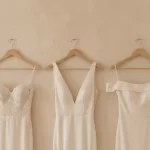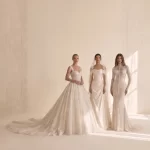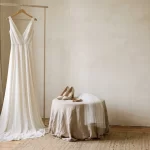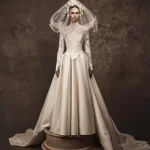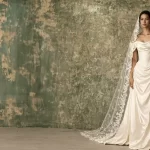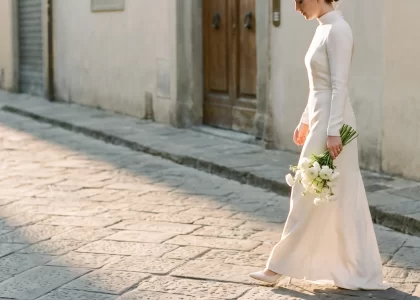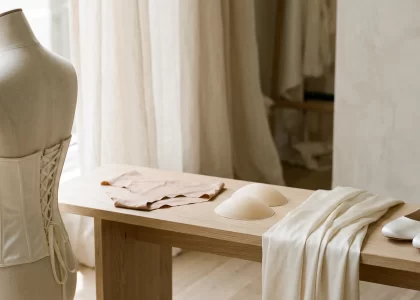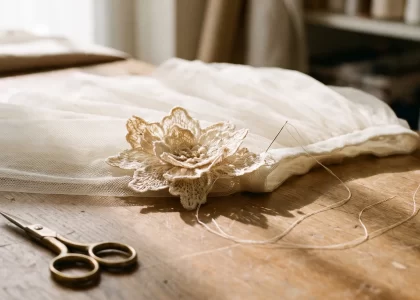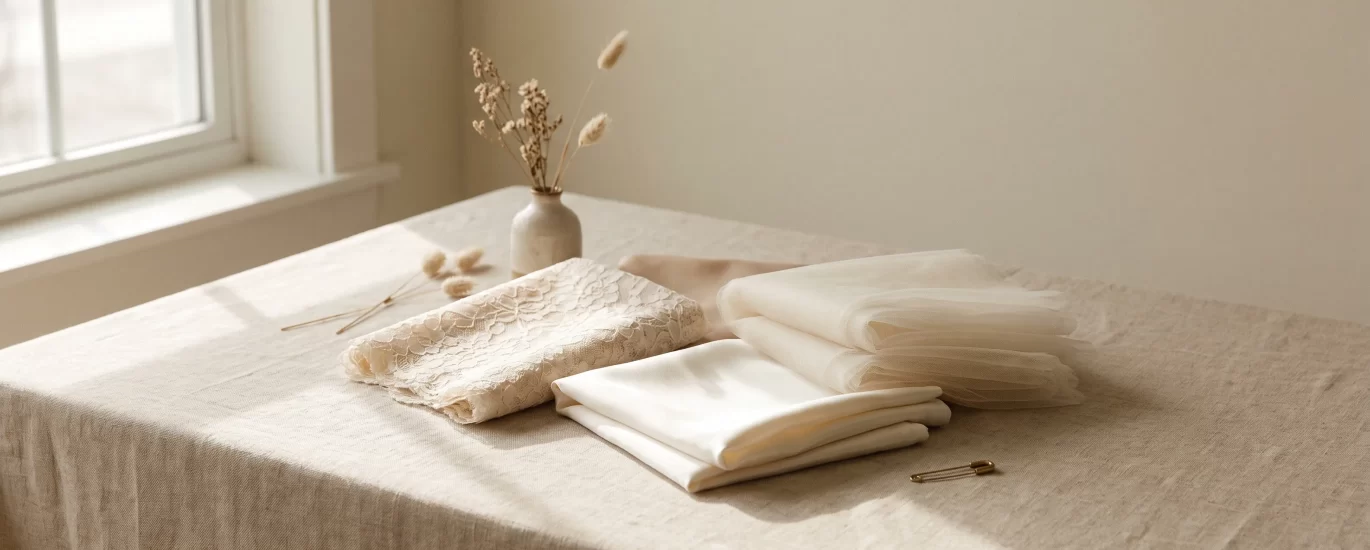
Long before a bride considers silhouette, sleeve length, or embellishment, there’s a quieter decision that shapes the entire feel of a gown: fabric. This wedding dress fabric guide breaks down the three most common materials — lace, satin, and tulle — so you can choose with confidence.
The material a wedding dress is made from determines how it moves, how it photographs, and how it feels against the skin. It even affects how it sounds when you walk down the aisle.
Lace: Romantic, Detailed, Timeless
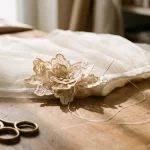
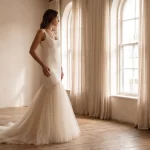
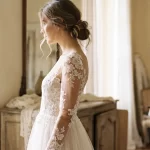
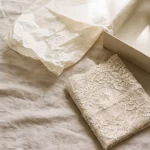
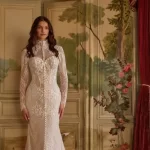
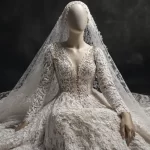
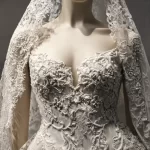
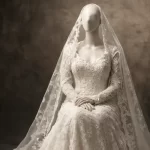
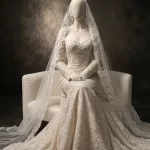
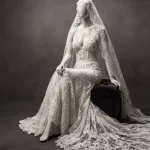
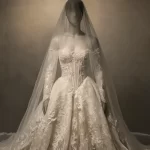
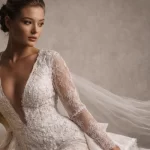
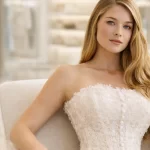
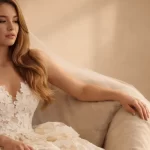
Lace is often associated with tradition and craftsmanship, and for good reason. It’s typically layered over a base fabric to add texture, dimension, and intricate detail.
Lace can range from delicate floral patterns to dense, sculptural embroidery. This makes it one of the most versatile fabrics in bridal design.
Best for: brides who want visible craftsmanship, texture, and a romantic, detailed finish.
Consider: lace tends to add structure, so it pairs beautifully with fitted or sculpted silhouettes.
Satin: Smooth, Structured, Elegant
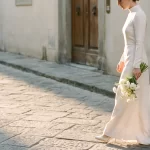
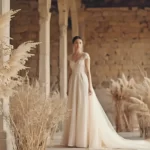
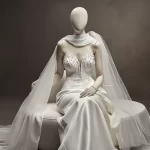
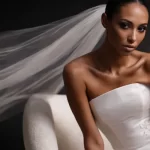
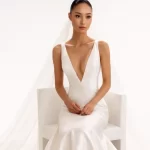
Satin is known for its smooth, subtly lustrous finish and its ability to hold structure. It drapes cleanly, making it a popular choice for sleek, minimalist silhouettes.
With satin, the shape of the gown becomes the main focus rather than surface detail.
Best for: brides who prefer clean lines, quiet elegance, and a more sculptural silhouette.
Consider: satin shows every seam and stitch clearly, so tailoring precision matters even more with this fabric.
Tulle: Soft, Airy, Dreamlike
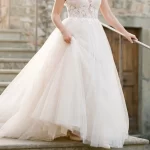
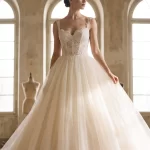
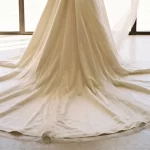
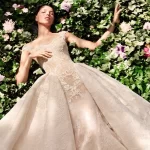
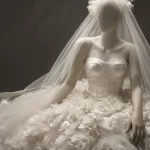
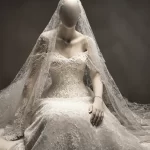
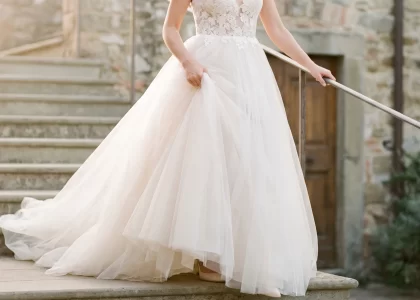
Tulle is a fine, netted fabric most often used for skirts, veils, and layered volume. Unlike satin, it doesn’t hold a defined shape on its own.
Instead, tulle creates softness, movement, and a dreamlike quality that photographs beautifully in motion.
Best for: brides who want volume without heaviness, or a softer, more ethereal bridal look.
Consider: tulle is often combined with a structured lace or satin bodice to balance softness with support.
Can You Combine Fabrics?
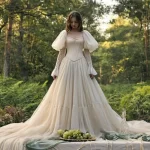
Yes, and in couture bridal design, this is often where the most interesting gowns are born. A structured satin or lace bodice paired with a soft tulle skirt is one of the most popular combinations.
This pairing offers both support and movement in a single silhouette, which is why so many modern gowns blend more than one fabric.
How to Use This Fabric Guide at Your Fitting
When you walk into your fitting appointment, don’t just think about how a fabric looks on a hanger. Ask to feel the weight of the material, watch how it moves when the consultant walks with it, and notice how it catches the light.
A good wedding dress fabric guide is only useful as a starting point. The real decision happens once the fabric is on your body, under real light, in real movement.
Our Approach
At Soft & Sophisticated, fabric selection is never an afterthought. Each collection is built around carefully selected materials that are chosen not only for how they look, but for how they behave.
We consider how each fabric falls, moves, and holds its shape throughout an entire day of celebration.
Final Thought
There’s no fabric that’s universally “better,” only the one that matches the feeling you want your wedding day to have. Romantic and detailed, sleek and quiet, or soft and floating — the right fabric is simply the one that feels most like you.
Looking for a gown that reflects your own timeless style?
Explore our collections or book a private appointment at our atelier.