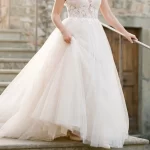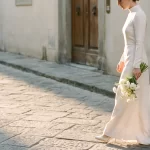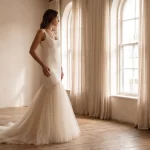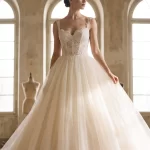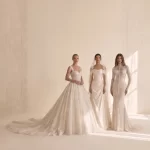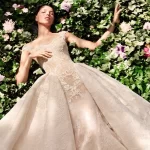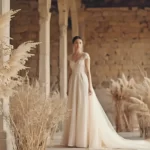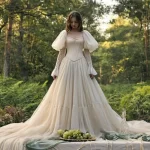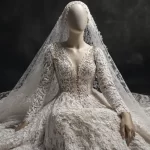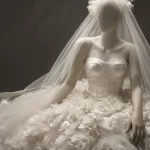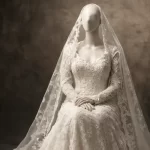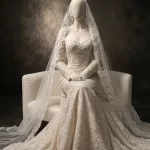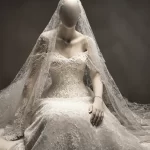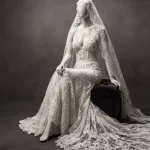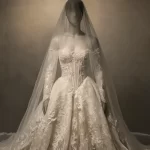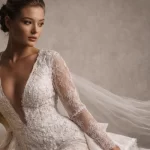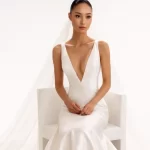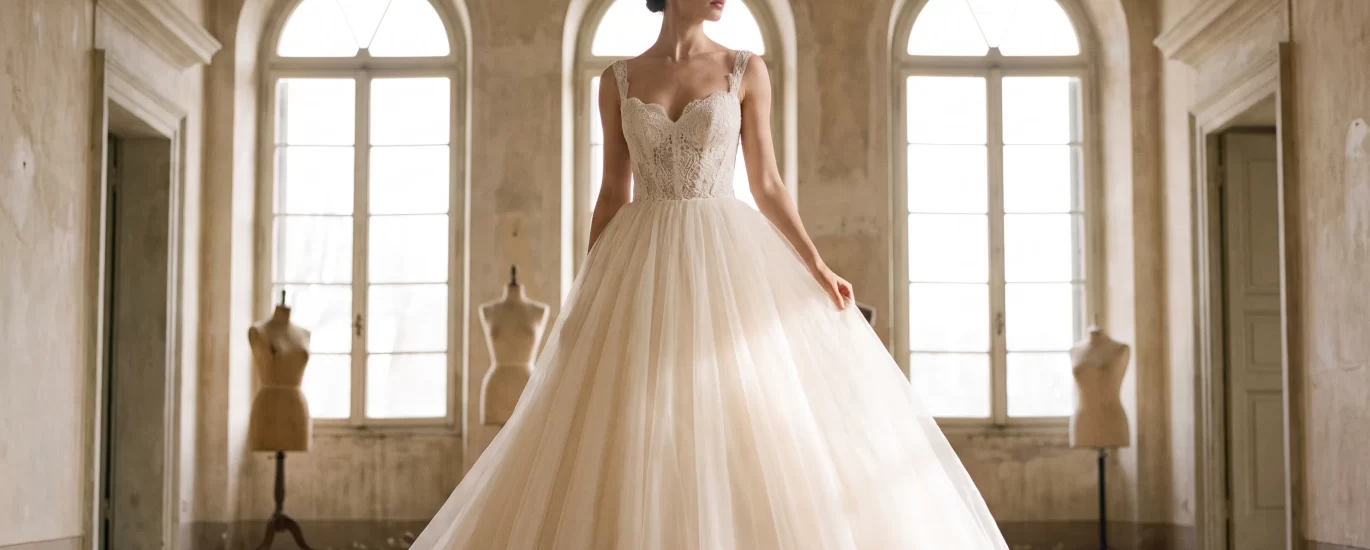
A ball gown wedding dress is the most formal and dramatic silhouette in bridal fashion. It is instantly recognizable — fitted through the bodice, cinched at the natural waist, and full through the skirt in layers of tulle, organza, or satin. For brides drawn to classic, fairytale aesthetics or planning a formal ceremony in a grand venue, the ball gown is often the first silhouette considered.
This guide covers what defines a ball gown wedding dress, the variations within the silhouette, who it suits best, and how to choose the right one for your body, venue, and style.
What Defines a Ball Gown Wedding Dress
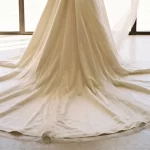
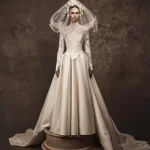
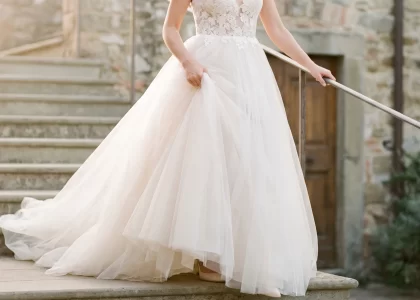
A ball gown wedding dress has two defining elements: a fitted bodice that ends at the natural waist, and a full, voluminous skirt that begins at that waistline and extends to the floor. The skirt is typically structured with multiple layers of fabric, crinoline, or tulle to create volume and shape without the need for excessive gathering.
The bodice can be strapless, off-shoulder, or sleeved, and is often heavily structured with boning or corsetry to support the weight of the skirt. The neckline varies — sweetheart, V-neck, and portrait necklines are all common in ball gown designs.
The ball gown is the most traditional and ceremonial of all bridal silhouettes and is associated with formal, black-tie, and cathedral weddings.
Classic Princess Ball Gown
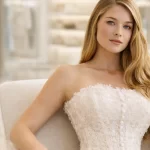
The classic princess ball gown is what most people picture when they hear the term “ball gown wedding dress.” It features a fitted, often strapless bodice with a sweetheart neckline, and a dramatically full skirt made from layers of tulle or organza.
This style is unapologetically romantic and works best in grand, formal settings where the volume of the skirt can be appreciated fully. It is the silhouette most associated with fairytale weddings.
Best for: brides who want a traditional, formal look and are planning a ceremony in a ballroom, cathedral, or estate venue.
Example: Our Antares gown from the Timeless 2026 Collection features a structured bodice with a full tulle skirt and chapel train, creating a refined take on the classic ball gown silhouette.
Modern Structured Ball Gown
A modern structured ball gown reduces the volume of the skirt slightly and emphasizes clean lines, architectural bodice details, and minimal embellishment. The skirt may still be full, but it is constructed with fewer layers and a more controlled shape.
This version of the ball gown silhouette suits brides who want the formality and presence of a ball gown without the overtly romantic, princess aesthetic.
Best for: brides drawn to contemporary, minimalist design who still want a formal silhouette.
Ball Gown with Lace Bodice and Tulle Skirt
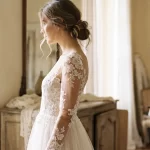
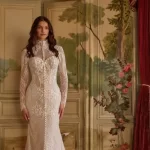
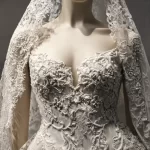
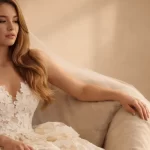
One of the most popular variations in ball gown wedding dress design pairs a fitted lace bodice with a full tulle skirt. The lace adds texture and detail to the upper body, while the tulle skirt keeps the overall silhouette soft and romantic.
This combination works across a wide range of venues and formality levels because the lace grounds the gown visually, preventing it from feeling too costume-like.
Best for: brides who want the volume and drama of a ball gown but prefer textural detail over plain satin or silk.
Example: Our Seraphina gown from the Aeterna Collection features a delicate lace bodice paired with a soft tulle ball gown skirt, creating a balance between structure and romance.
Mikado or Satin Ball Gown: Sleek and Formal
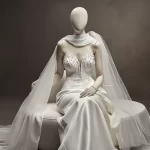
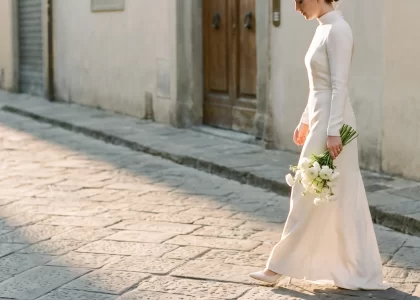
A Mikado or satin ball gown uses a heavier, more structured fabric for the skirt rather than layers of tulle. The result is a sleeker, more sculptural silhouette that holds its shape without added volume.
This style is ideal for very formal, black-tie weddings and suits brides who want a ball gown that feels grand but not overly soft or romantic.
Best for: brides planning formal evening ceremonies who prefer a more refined, architectural ball gown.
Who Should Wear a Ball Gown Wedding Dress?
Ball gowns work best for brides with a defined waist, as the silhouette is built around that visual break between bodice and skirt. Petite brides can wear ball gowns, but the skirt volume should be scaled appropriately so the dress does not overwhelm the frame.
Taller brides can carry more dramatic ball gown silhouettes, including those with very full skirts and long cathedral trains.
Ball gowns are less suited to casual, outdoor, or destination weddings where the formality and volume of the gown may feel out of place. They work best in venues with high ceilings, long aisles, and formal settings.
How to Choose the Right Ball Gown
The best ball gown wedding dress for you depends on three things: the formality of your venue, your body proportions, and your aesthetic preferences.
For grand, formal venues: a classic princess ball gown or Mikado structured ball gown creates the right level of ceremony.
For modern, minimalist brides: a structured ball gown with clean lines and reduced skirt volume keeps the silhouette formal without feeling overly traditional.
For petite brides: choose a ball gown with moderate skirt volume and avoid very long cathedral trains that can overwhelm your frame.
For romantic, lace-loving brides: a lace bodice paired with a tulle ball gown skirt balances detail with softness.
At Soft & Sophisticated, several gowns in our Aeterna and Timeless 2026 collections feature ball gown silhouettes or can be customized with a fuller skirt during the design process. We work with each bride to scale the volume and train length appropriately for her venue and body, ensuring the final gown feels proportional and elegant rather than overwhelming.
A ball gown wedding dress is not subtle, and that is exactly the point. It is the most formal, traditional, and visually dramatic silhouette in bridal fashion. If you are drawn to it, trust that instinct — but make sure the venue, the train length, and the skirt volume match your body and your setting. When those elements align, a ball gown is unforgettable.