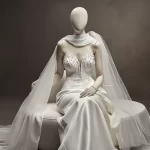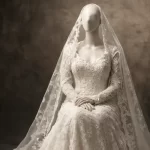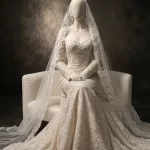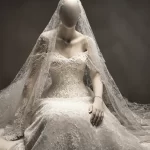
Bridal gown ordering time is one of the most common — and most practical — questions we hear from brides. Getting the timing right doesn’t just prevent last-minute stress; it directly affects the quality, fit, and craftsmanship of the dress you’ll wear on your wedding day. The answer depends on a few factors, but there’s a general timeline that helps most brides plan with confidence.
The General Rule: 9 to 12 Months Before
For most wedding dresses — especially those that are made-to-order, custom, or require import from another country — ordering your gown 9 to 12 months before the wedding is considered ideal. This timeline allows enough room for design finalization, production, shipping, and multiple fittings without rushing any step of the process.
Why It Takes Longer Than You Might Think
Many brides are surprised to learn that a wedding dress isn’t simply “made” in a few weeks. Depending on the design, a gown may involve:
Pattern making and initial construction
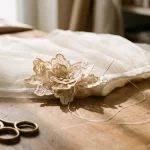
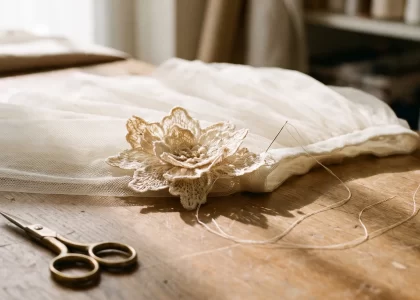
Hand-finished details like lace appliqué, beading, or embroidery
Shipping time, especially for international ateliers
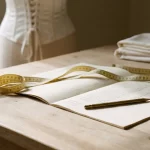
Multiple fittings spaced weeks apart
Final alterations closer to the wedding date
Each of these steps takes time — and rushing any of them can affect the final quality and fit of the gown.
What If You Have Less Time?
If you’re working with a shorter timeline — six months or less — it’s not impossible, but your options may become more limited. In this case:
Communicate your timeline clearly and immediately when reaching out to an atelier
Ask directly whether rush production is available, and what it may cost
Be flexible with design details that may require additional time, such as heavily hand-embroidered elements
A Simple Timeline Overview
9–12 months before: Begin researching and reach out to bridal houses or ateliers
8–10 months before: Finalize your design and place your order
4–6 months before: First fitting appointment
2–3 months before: Second fitting and alteration adjustments
2–4 weeks before: Final fitting and pickup
Why Timing Matters More Than People Expect
A rushed timeline doesn’t just create stress — it can limit the level of craftsmanship possible in your gown. Hand-finished details, precise tailoring, and thoughtful fittings all require time to be done well.
Our Approach
At Soft & Sophisticated, we’re transparent with every bride about realistic timelines from the very first conversation. Because our pieces are crafted with care rather than mass-produced, we always recommend starting the process as early as possible — not because of pressure, but because it allows every detail to be done right.
Final Thought
The earlier you begin, the more options — and peace of mind — you’ll have throughout the process. If you’re unsure where to start, reaching out early, even before you’re fully decided, is always a good first step.